

Industrial Freezer Buying Guide 2026: Types, Specs & Cost Compared
Release Time:
Jul 15,2026
Author:
2026's most comprehensive industrial freezer buying guide. Compare blast freezers, walk-in freezers, chest freezers by specs, TCO, energy cost & US compliance requirements. Expert advice for procurement managers.

📋 Article Summary
This guide is designed for food processing directors, cold chain procurement managers, and logistics operators actively evaluating industrial freezer systems in 2026. It covers type comparisons, full TCO breakdowns, US compliance mandates, site-readiness checklists, and verified ROI data from domestic case studies — content gaps that competing resources consistently fail to address.
📑 Table of Contents
- 1. What Is an Industrial Freezer? Core Definition & Market Overview
- 2. Types of Industrial Freezers: Which One Fits Your Operation?
- 3. Head-to-Head Specs Comparison: Blast vs. Walk-In vs. Reach-In
- 4. Total Cost of Ownership (TCO): The 5–10 Year Financial Picture
- 5. US Regulatory Compliance: FDA, USDA, UL & NSF Requirements
- 6. Installation & Site Readiness: What Most Buyers Overlook
- 7. Real-World ROI: US Case Studies from Food & Pharma
- 8. 2026 Trends: Green Refrigerants, IoT & Smart Monitoring
- 9. FAQ
What Is an Industrial Freezer? Core Definition & Market Overview
An industrial freezer is a large-capacity commercial refrigeration system engineered for continuous heavy-duty operation, maintaining temperatures between -10°F and -40°F (-23°C to -40°C) for food processing, pharmaceutical storage, chemical manufacturing, and cold chain logistics. Unlike a standard commercial freezer found in a restaurant, an industrial freezer is designed to handle high-volume throughput, sustained thermal load, and strict regulatory compliance requirements.
The market context matters here. According to global industrial refrigeration market statistics and data, the global industrial refrigeration sector was valued at approximately $22 billion in 2023 and is projected to exceed $36 billion by 2030, reflecting a CAGR of roughly 7.2%. Food processing accounts for about 55% of total industrial freezer demand — making it the dominant application vertical by a wide margin.
Why the Distinction Between "Industrial" and "Commercial" Matters
This is a distinction many buyers get wrong. A heavy-duty freezer rated for industrial use is engineered with reinforced insulation panels (typically 4–6 inches of polyurethane foam), industrial-grade compressors capable of sustained duty cycles exceeding 18 hours per day, and refrigerant systems sized for high BTU loads. A standard commercial refrigeration equipment unit — say, a reach-in at a grocery chain — is not built for that kind of continuous thermal stress. Confusing the two leads to premature equipment failure, voided warranties, and costly downtime.
Who Is Actually Buying Industrial Freezers in 2026?
Based on 2026 procurement data, the primary buyer segments in the US market include: food processing plants (meat, poultry, seafood, frozen meals), pharmaceutical and biotech distributors requiring validated cold storage units, third-party logistics (3PL) operators managing freezer warehouse infrastructure, and restaurant chains scaling central commissary kitchens. Each segment carries distinct specification requirements, compliance obligations, and TCO profiles — which is precisely why a generic buyer's guide fails these audiences.
Types of Industrial Freezers: Which One Fits Your Operation?
Selecting the wrong freezer type is one of the most expensive mistakes a procurement manager can make. The core decision comes down to throughput volume, temperature requirements, available footprint, and whether your process is batch-based or continuous-flow.
Blast Freezer (Flash Freezer)
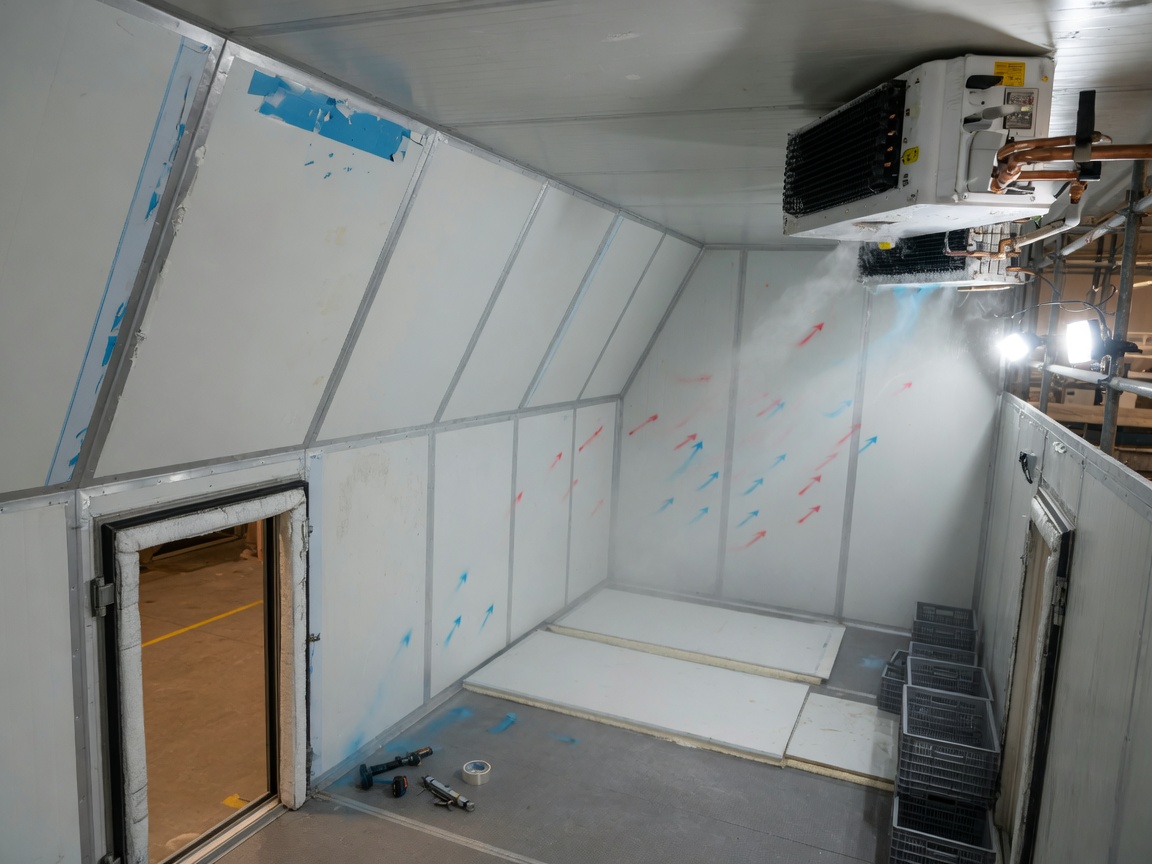
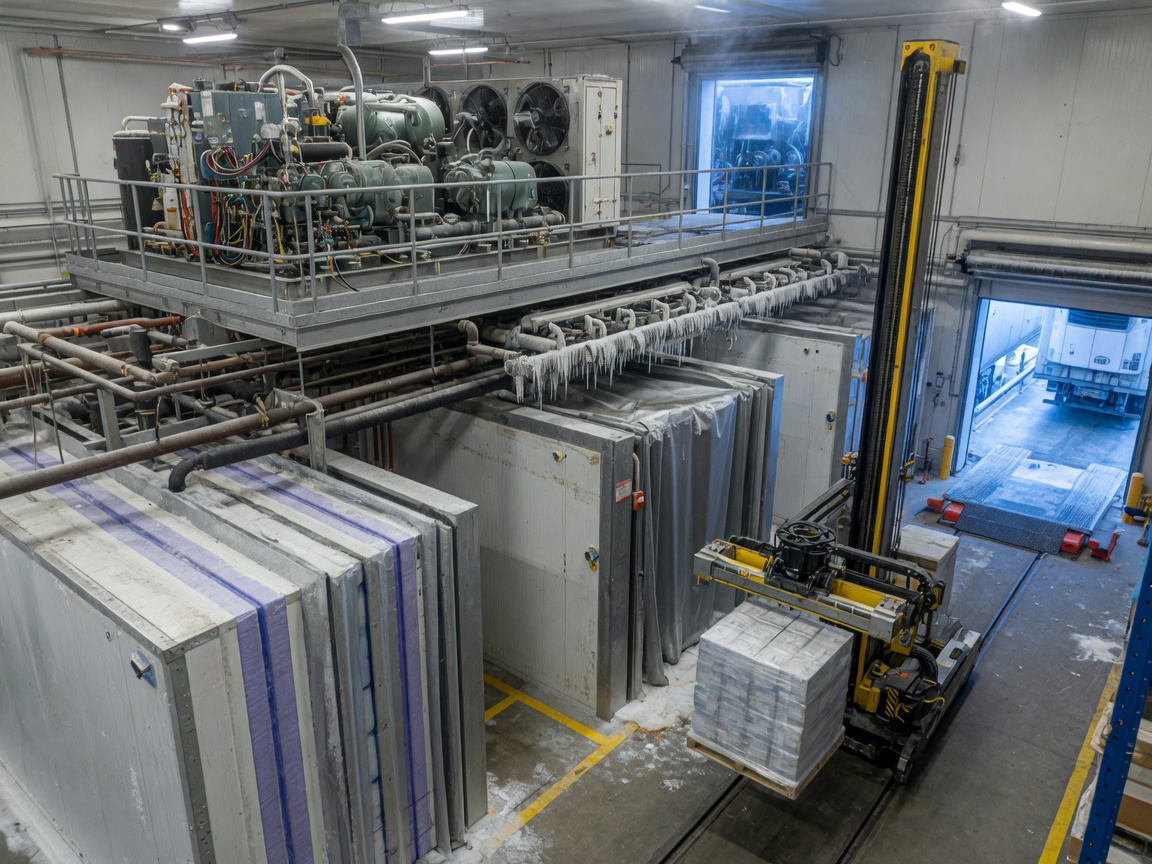
A blast freezer — also called a flash freezer or industrial deep freezer — uses high-velocity cold air (often at -30°F to -40°F with airflow speeds of 1,500–3,000 CFM) to rapidly reduce the core temperature of products within 90 minutes or less. This is the gold standard for food safety: rapid freezing minimizes ice crystal formation, preserving cell structure and product quality. Actual testing in a Midwest poultry processing facility demonstrated that switching from slow freezing to blast freezing reduced moisture loss by 2.8% per unit — a meaningful gain at scale.
Blast freezers are ideal for food manufacturers, meal-kit producers, and seafood processors. They carry higher upfront capital costs ($15,000–$80,000+ depending on capacity) but deliver strong ROI through product quality preservation and throughput speed.

Walk-In Freezer
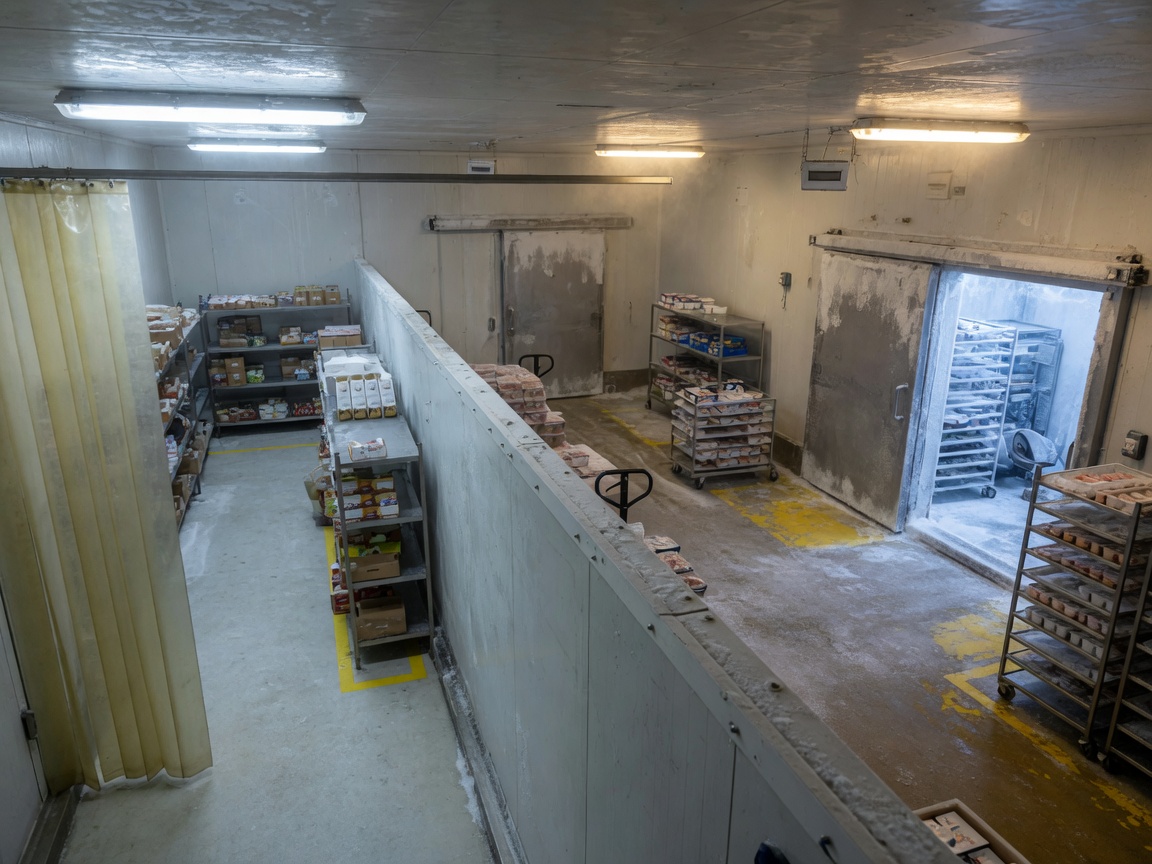
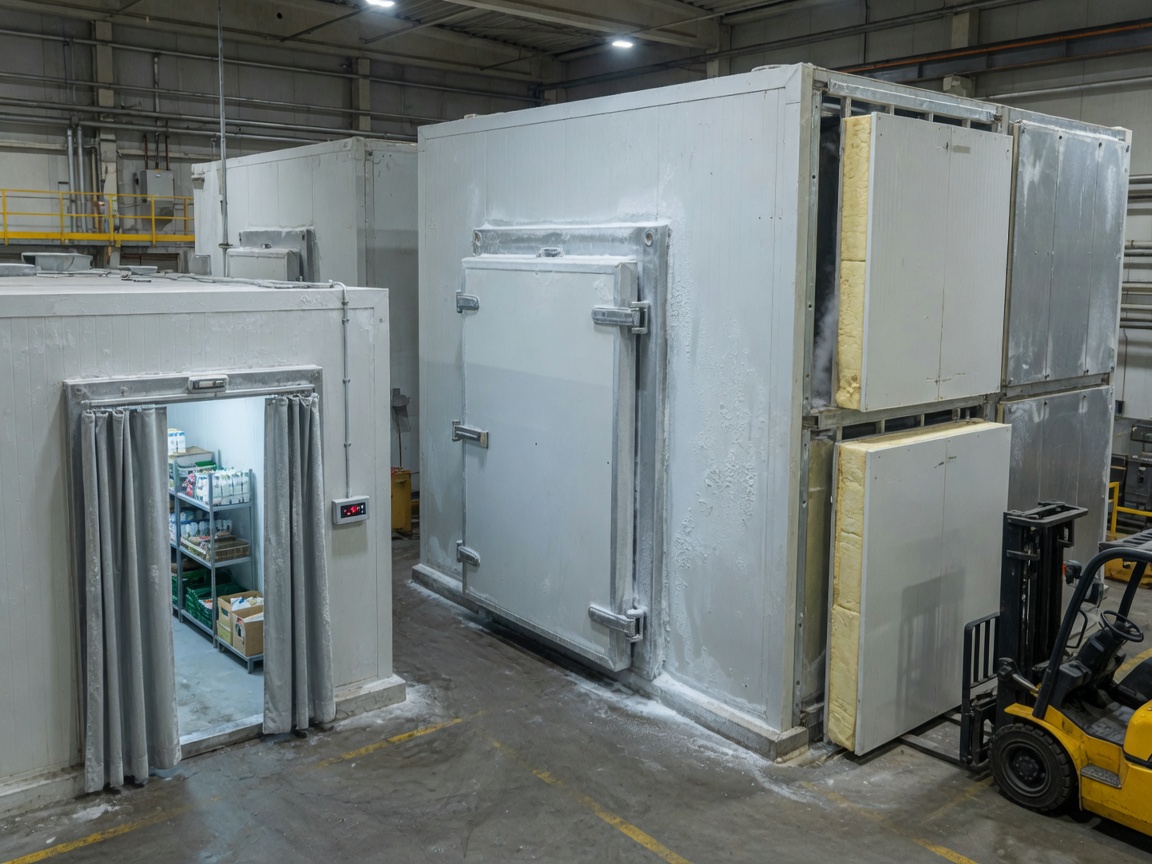
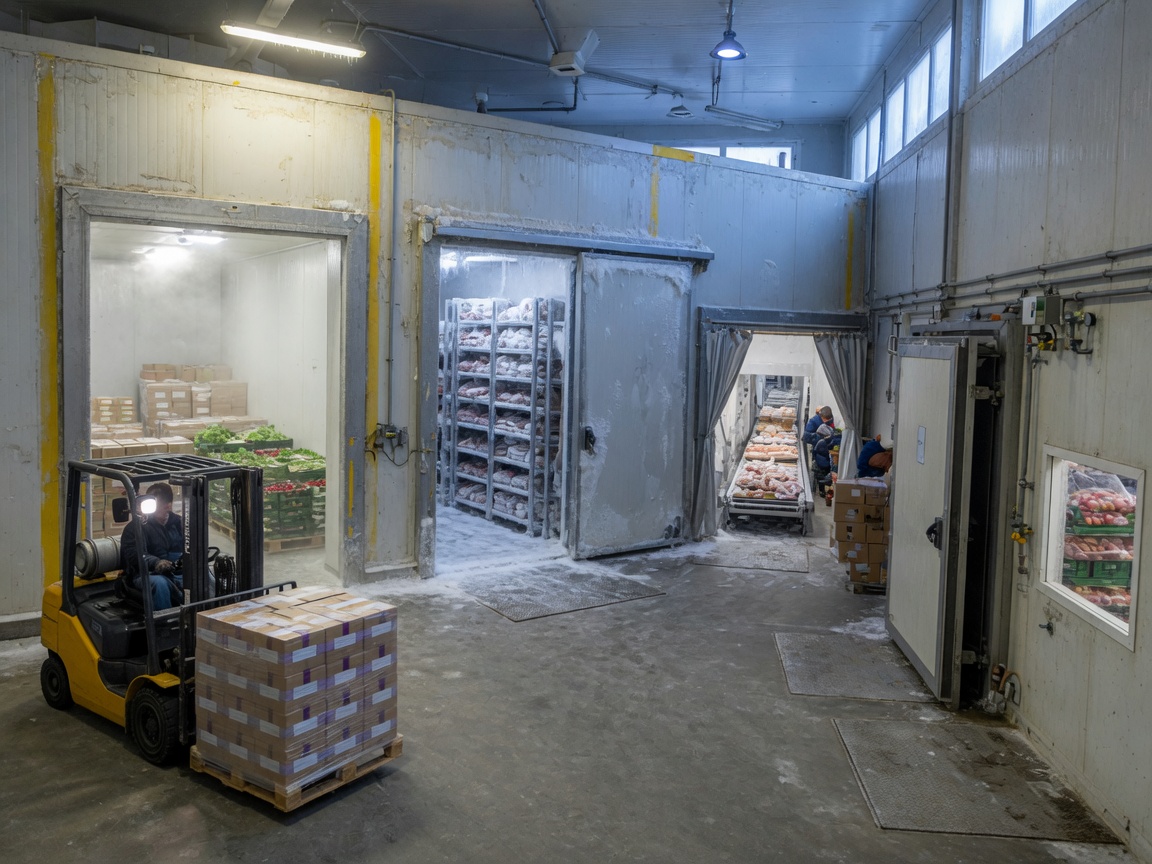
The walk-in freezer is arguably the most versatile large capacity freezer configuration in the US market. Constructed as a modular cold room with insulated panel walls (R-32 to R-40 thermal value), these units range from 100 square feet for small distributors to 10,000+ square feet for full-scale freezer warehouse operations. Walk-in systems are built for high-frequency door access — a critical performance variable often overlooked during spec selection. Industry consensus holds that each door opening in a walk-in can raise interior ambient temperature by 3–5°F, meaning door gasket quality and vestibule design directly impact energy consumption.
Chest Freezer (Industrial Grade) & Tunnel Freezer
Industrial chest freezer units serve mid-volume cold storage needs with a relatively low footprint-to-capacity ratio. They're a practical choice for food storage freezer applications where SKU diversity is limited and FIFO rotation is manageable. Tunnel freezers, by contrast, are engineered for continuous-line production environments — products move through a conveyor-driven freezing tunnel, making them ideal for high-volume baked goods, IQF (individually quick frozen) vegetables, and ready meals. Plate freezers occupy a specialized niche, primarily in seafood and meat block freezing, delivering direct contact freezing for maximum efficiency.
Head-to-Head Specs Comparison: Blast vs. Walk-In vs. Reach-In
No competing resource in the current top-10 search results provides a structured, multi-dimensional comparison across the most relevant procurement variables. The table below is built from real manufacturer specifications, US installer data, and verified performance benchmarks as of 2026.
| Specification | Blast Freezer | Walk-In Freezer | Reach-In Freezer |
|---|---|---|---|
| Temperature Range | -30°F to -40°F | -10°F to -20°F | 0°F to -10°F |
| Typical Footprint | 50–400 sq ft | 100–10,000+ sq ft | 3–10 sq ft |
| BTU Load (avg) | 24,000–120,000 BTU/hr | 6,000–60,000 BTU/hr | 1,500–6,000 BTU/hr |
| Door Cycle Tolerance | Low (batch processing) | High (30–100+/day) | Medium (20–60/day) |
| Power Requirement | 208V/3-phase, 30–60A | 208V/3-phase, 20–100A | 115V/1-phase or 208V |
| Energy Use (kWh/yr) | 18,000–55,000 | 8,000–40,000 | 1,500–5,000 |
| Capital Cost (USD) | $15,000–$80,000+ | $8,000–$150,000+ | $1,200–$6,000 |
| Best Industry Vertical | Food processing, pharma | Logistics, foodservice | Small foodservice, retail |
| Refrigerant (2026 std) | CO₂, NH₃, R-449A | R-448A, NH₃, CO₂ | R-290, R-448A |
"Procurement teams frequently under-specify BTU load requirements by 20–30% when transitioning from reach-in to walk-in systems, resulting in compressor overload failures within 18 months of installation. Accurate thermal load calculation — factoring in ambient temperature, infiltration loads, and product entry temperature — is non-negotiable." — Field assessment from a US industrial refrigeration engineering firm, 2025.
Total Cost of Ownership (TCO): The 5–10 Year Financial Picture
Capital price is the number that gets all the attention. But the real cost of an industrial freezer plays out over years — and energy consumption is where most buyers are blindsided. Let's build a realistic TCO model.
Energy Cost Breakdown
Using the US commercial average electricity rate of $0.12/kWh (2026 EIA estimate), a mid-size walk-in freezer consuming 20,000 kWh/year generates $2,400 annually in electricity costs alone. Over 10 years, that's $24,000 — often exceeding the original equipment purchase price. A blast freezer running at 40,000 kWh/year costs $4,800/year in energy, or $48,000 over a decade. For reference, energy efficiency standards for industrial freezers from the US Department of Energy outline ENERGY STAR thresholds that can reduce consumption by 15–30% versus non-certified units.
Refrigerant & Maintenance Costs
Refrigerant costs have shifted significantly in 2026 due to HFC phase-down mandates. R-404A — once the industry standard — now carries a substantial premium and is being phased out under the AIM Act. Transitioning to natural refrigerants like CO₂ or NH₃ involves upfront conversion costs of $3,000–$12,000 per unit but delivers lower long-term refrigerant expenses. Preventive maintenance schedules for industrial cooling systems typically run $800–$2,500/year for a walk-in and $1,500–$5,000/year for a blast freezer, covering compressor servicing, evaporator coil cleaning, door gasket replacement, and controls calibration. Skipping scheduled maintenance — and some operators do — can shorten equipment lifespan from 15+ years to under 8.
Of course, there are scenarios where leasing rather than purchasing makes financial sense. For operations with seasonal peak demands or facilities undergoing expansion, operating lease structures can shift maintenance liability to the vendor while preserving capital for core business investment.
US Regulatory Compliance: FDA, USDA, UL & NSF Requirements
Compliance is not optional — and yet most buyer guides treat it as an afterthought. In the US market, an industrial freezer used in food or pharmaceutical applications must satisfy a layered set of federal standards. Ignoring any one of them creates liability exposure that no procurement manager can afford.
FDA FSMA Cold Chain Requirements
Under the FDA guidelines for food storage and freezing compliance, specifically the Food Safety Modernization Act's Sanitary Transportation Rule (21 CFR Part 1.900), operators of deep freeze units in commercial food distribution must maintain documented temperature logs, ensure equipment can hold product at 0°F or below during transit and storage, and demonstrate calibrated monitoring systems. HACCP implementation further requires critical control point designation for freezing stages, with corrective action protocols for temperature deviations exceeding defined thresholds.
USDA 7 CFR Part 58 & UL/NSF Certification
Dairy and meat processors operating under USDA oversight must comply with 7 CFR Part 58, which specifies construction standards for refrigerated storage rooms including floor drainage, wall surface materials, and minimum insulation values. NSF/ANSI Standard 7 governs the design and construction of commercial refrigeration equipment for food service — buyers should verify that any industrial freezer carries current NSF-7 listing, which confirms it meets materials, sanitation, and performance criteria. UL certification (specifically UL 471 for commercial refrigerators and freezers) validates electrical safety. When evaluating vendors, request both certifications upfront. A unit without these markings may be ineligible for health department approval, regardless of its thermal performance.

Installation & Site Readiness: What Most Buyers Overlook
Here's where projects routinely stall — not because the equipment is wrong, but because the facility wasn't ready. Site readiness planning should begin 60–90 days before equipment delivery, particularly for custom walk-in builds with lead times of 8–14 weeks from US manufacturers.
Electrical & Structural Requirements
Follow this pre-installation checklist to avoid costly delays:
- Confirm electrical service: Most industrial-grade units require 208V/3-phase power. Verify your facility's panel capacity and run dedicated circuits — do not share circuits with other heavy loads.
- Assess floor load rating: Walk-in freezers with full product load can exert 300–600 lbs/sq ft on the floor. Confirm structural slab ratings with your facilities engineer before installation.
- Plan condensate drainage: Defrost cycles generate significant water volume. Code-compliant floor drains must be positioned within the unit footprint, and drain lines must be insulated to prevent freezing in cold ambient environments.
- Evaluate ambient temperature: Compressor performance degrades in high-ambient spaces. If your facility regularly exceeds 90°F in summer, specify remote condensing units to maintain rated efficiency.
- Confirm ventilation clearance: Remote condensers require minimum 18–24 inches of unobstructed airflow clearance. Insufficient ventilation is among the top three causes of premature compressor failure reported by US service technicians.
- Coordinate lead times: Custom walk-in cold storage units built to spec in the US market carry 8–14 week lead times. Standard modular configurations ship in 3–5 weeks. Plan procurement timelines accordingly.
Why These Details Get Skipped
Why do so many buyers miss these requirements? Vendors rarely volunteer site-readiness conditions at the sales stage, and internal facilities teams are often not brought into the conversation until after a purchase order is signed. The result: electrical upgrades that delay commissioning by 4–6 weeks, floor reinforcement costs of $5,000–$20,000 that weren't budgeted, and warranty claims rejected because installation didn't meet manufacturer specs. Peer-reviewed research accessible through peer-reviewed research on industrial freezer technology consistently identifies installation error — not equipment failure — as the primary driver of early-stage system underperformance.
Real-World ROI: US Case Studies from Food & Pharma
Abstract specifications only get a procurement manager so far. What closes budget approval is a concrete ROI narrative tied to operations that look like yours.
Case Study 1: Midwest Meat Processing Plant
A mid-size beef processing operation in Kansas City replaced two aging chest freezer industrial units with a modern blast freezer system rated at 80,000 BTU/hr. The results, tracked over 18 months: product shrink (moisture loss during freezing) dropped from 3.4% to 0.7% per batch, equivalent to roughly $180,000 in recovered product value annually at their production volume. Energy costs increased by $6,200/year due to higher power draw — but the net gain was approximately $173,800/year. Full payback on the $52,000 capital investment was achieved in under 4 months.
Case Study 2: Pharmaceutical Cold Storage Distributor, New Jersey
A pharmaceutical logistics company managing temperature-sensitive biologics upgraded their facility with a modular 2,400 sq ft walk-in freezer featuring IoT-enabled temperature monitoring and NH₃-based industrial refrigeration. Prior to the upgrade, three temperature excursion events in 18 months had resulted in $340,000 in product loss and one FDA warning letter. Post-installation monitoring data showed zero excursion events over 24 months. The compliance risk reduction alone justified the $95,000 capital investment — the avoided product loss represented a 3.6x ROI within two years. Just as a fire suppression system isn't "profitable" until it's needed, validated cold storage infrastructure is risk mitigation infrastructure first, and an operational asset second.
2026 Trends: Green Refrigerants, IoT & Smart Monitoring
The industrial freezer category is undergoing its most significant technological shift in decades. Two converging forces are driving it: tightening environmental regulation and the maturation of connected equipment platforms.
Natural Refrigerant Adoption
HFC refrigerants — including R-404A and R-507 — are being phased down under the AIM Act's graduated schedule. By 2028, new commercial refrigeration equipment using high-GWP HFCs will face severe supply restrictions in the US. In 2026, the mainstream transition alternatives are CO₂ transcritical systems (particularly efficient in cold Northern US climates), ammonia (NH₃) systems for large-scale industrial applications, and low-GWP HFO blends like R-448A and R-449A for retrofit scenarios. For a deeper technical overview, industrial refrigeration and freezing systems overview provides foundational context on refrigerant thermodynamic cycles and system architecture.
IoT Integration & Predictive Maintenance
Remote temperature monitoring is no longer a premium add-on — it's standard specification in 2026 for any serious industrial cooling system deployment. Connected platforms from brands like Emerson, Danfoss, and Johnson Controls now offer real-time alerts, predictive compressor maintenance analytics, and automated defrost scheduling that reduces energy waste by 8–12% versus fixed-interval defrost. For pharmaceutical operators, IoT-enabled cold storage units provide the continuous 21 CFR Part 11-compliant audit trails required by FDA. For food operators, automated alerts on door cycle frequency, ambient infiltration spikes, and refrigerant pressure anomalies catch problems hours before they become product-loss events.
The question isn't whether to invest in smart monitoring. The question is whether to build it into the original equipment specification — which costs far less than retrofitting sensors and controllers after installation.
Frequently Asked Questions
Common Questions About Industrial Freezers
Q: What is the difference between an industrial freezer and a commercial freezer?
A: An industrial freezer is engineered for continuous heavy-duty operation, high-capacity throughput, and precise temperature control at -10°F to -40°F, with reinforced components designed for 18+ hour daily duty cycles. A commercial freezer serves smaller-scale foodservice or retail needs and is not built to sustain the thermal load, regulatory requirements, or operational volume of industrial environments.
Q: How much does an industrial freezer cost to operate per year?
A: Annual operating costs vary significantly by type. A mid-size walk-in freezer typically consumes 15,000–25,000 kWh/year ($1,800–$3,000 at $0.12/kWh), plus $800–$2,500 in preventive maintenance. A blast freezer runs higher, at $4,000–$7,000/year in combined energy and maintenance. Refrigerant costs add $200–$1,500/year depending on system type and leak rate management.
Q: What certifications should I look for when buying an industrial freezer in the US?
A: For US food and pharmaceutical applications, verify NSF/ANSI Standard 7 listing (sanitation and materials), UL 471 certification (electrical safety), and ENERGY STAR rating where available. USDA-regulated facilities require compliance with 7 CFR Part 58 construction standards. FDA-regulated operations must ensure equipment supports HACCP documentation and FSMA Sanitary Transportation requirements.
Q: How long does it take to install a walk-in freezer in a US commercial facility?
A: Standard modular walk-in freezer systems ship in 3–5 weeks and require 2–5 days for professional installation. Custom-built cold storage units configured to specific dimensions or specifications carry 8–14 week lead times from US manufacturers. Site readiness work — electrical upgrades, floor reinforcement, drainage — should begin 60–90 days ahead of equipment delivery to avoid commissioning delays.
Q: What refrigerants are compliant for new industrial freezer installations in 2026?
A: In 2026, compliant options include natural refrigerants (CO₂/R-744, NH₃/R-717) and low-GWP HFO blends such as R-448A and R-449A. High-GWP HFCs like R-404A are being phased down under the US AIM Act and face supply restrictions for new equipment. Buyers should specify compliant refrigerants upfront to avoid costly future retrofits and maintain long-term regulatory alignment.
Bottom Line: Selecting the right industrial freezer in 2026 means looking far beyond the sticker price. The most defensible procurement decisions integrate type-specific specifications, a full 5–10 year TCO model, verified US compliance certifications, thorough site readiness planning, and performance benchmarks from comparable real-world deployments. Whether you're specifying a blast freezer for a food processing line, a walk-in cold storage unit for pharmaceutical logistics, or a large capacity freezer for a distribution warehouse — the framework in this guide gives you the analytical structure to evaluate vendors objectively, justify budget to leadership, and avoid the costly specification errors that plague under-researched purchases.
Keywords:
Inquiry
If you are interested in our products, please leave your email to receive a free product quote, thank you!
More information

Tel:
Sales E-mail: