

Chiller vs Freezer: Complete Buying Guide & Key Differences (2026)
Release Time:
Jul 21,2026
Author:
Compare chiller freezer types, specs, and top brands in 2026. This complete buying guide helps foodservice and retail procurement managers choose the right commercial cooling system for capacity, energy use, and budget.

📋 Article Overview
This guide is built for commercial buyers — restaurant operators, retail chain managers, and cold chain logistics professionals — who are actively comparing chiller freezer options. You'll find a detailed type breakdown, a spec comparison table, industry-specific use cases, and answers to the most common procurement questions. All data reflects 2026 market conditions.
📑 Table of Contents
- 1. What Is a Chiller Freezer? (Core Definition)
- 2. Chiller vs Freezer vs Chiller Freezer Combo: Key Differences
- 3. 5 Main Types of Chiller Freezer Units Explained
- 4. Spec Comparison: How to Evaluate Models Side by Side
- 5. Top Use Cases by Industry
- 6. 2026 Buying Trends & Technology Updates
- 7. Common Selection Mistakes to Avoid
- 8. FAQ
What Is a Chiller Freezer? (Core Definition)
A chiller freezer is a dual-zone commercial refrigeration unit that maintains separate chilling (32–46°F / 0–8°C) and freezing (0°F / -18°C or below) compartments within a single cabinet, using independent temperature-controlled circuits. Unlike a standard commercial freezer or a standalone reach-in chiller, this category of food preservation equipment is engineered specifically for operations that need both temperature zones under one footprint.
The appeal is practical. A busy restaurant kitchen shouldn't require two separate refrigeration units side by side when a single freezer chiller combo can handle both functions — saving floor space, reducing electrical circuit demands, and simplifying maintenance scheduling. That said, understanding what distinguishes this equipment class from a plain commercial freezer or a walk-in cooler is essential before any procurement decision.
To understand how refrigeration and chiller freezer systems work at a mechanical level, the thermodynamic principles involve vapor-compression cycles — most modern dual-zone units run two independent compressor circuits, one for each temperature zone. This is a critical design distinction, not merely a marketing claim. A unit with a shared compressor serving both zones will struggle to maintain stable freezer temperatures when the chiller door is opened frequently during service hours.
Why "Dual Zone" Matters More Than the Label
Actual testing reveals a nuance many buyers miss: not all products marketed as "chiller freezer combos" use genuinely independent refrigeration compressors. Some budget models share a single compressor and use electronic dampers to split airflow — functional for light duty, but prone to temperature cross-contamination under heavy load. Before signing a purchase order, always ask the supplier whether each zone runs its own refrigeration compressor or shares a single unit. The answer changes both performance expectations and long-term energy costs significantly.
Who Buys Chiller Freezers in 2026?
The primary buyers in 2026 include quick-service restaurant chains, independent full-service restaurants, convenience retail operators, and institutional food service programs (hospitals, universities, corporate cafeterias). Secondary buyers include cold chain logistics facilities that need temperature controlled storage at receiving docks and prep areas. According to global chiller freezer market size and industry statistics, the commercial refrigeration equipment sector is projected to reach approximately $42 billion globally in 2026, growing at a CAGR of around 5.2% — driven significantly by foodservice expansion and cold chain infrastructure investment in North America.

Chiller vs Freezer vs Chiller Freezer Combo: Key Differences
The fastest way to misallocate a procurement budget is to conflate these three equipment categories. A chiller (also called a reach-in cooler or refrigerated cabinet) maintains temperatures between 32°F and 46°F — it is designed purely for short-term food preservation, not for freezing. A commercial freezer holds product at 0°F (-18°C) or below, suitable for long-term frozen storage. The chiller freezer occupies a distinct category: one physical cabinet, two independent thermal zones.
Temperature Range Comparison
| Equipment Type | Temperature Range | Primary Use | Typical Footprint | Est. Energy Use (kWh/day) |
|---|---|---|---|---|
| Reach-In Chiller | 32–46°F | Fresh food, beverages | 27–54 cu ft | 4–8 kWh |
| Commercial Freezer | -10 to 0°F | Frozen protein, ice cream | 23–50 cu ft | 6–12 kWh |
| Chiller Freezer Combo | 32–46°F / -10 to 0°F | Both simultaneously | 40–72 cu ft | 9–18 kWh |
| Walk-In Cooler | 35–45°F | High-volume fresh storage | 100–400+ cu ft | 20–60 kWh |
| Blast Chiller | Down to -40°F | Rapid temperature reduction | Varies widely | 15–40 kWh (cycle-based) |
The Critical Misconception Around "Combo" Units
Here's something that trips up even experienced buyers: assuming a chiller freezer can freely switch zones based on operational needs. In reality, dual-zone units with independent refrigeration compressor circuits are calibrated at the factory. Arbitrarily reprogramming the freezer zone to chilling temperatures stresses the compressor's designed operating range and can shorten its service life by 30–40% according to industry maintenance records. The two zones are meant to coexist — not alternate. Of course, there are single-compressor models specifically designed for zone conversion, but those are a separate product class entirely, and they carry performance trade-offs worth understanding before purchase.
5 Main Types of Chiller Freezer Units Explained
Matching the right unit type to your operational environment is where procurement decisions get made or broken. The commercial cooling system landscape offers five primary configurations, each optimized for a distinct use profile.
1. Upright Dual-Zone Reach-In Units
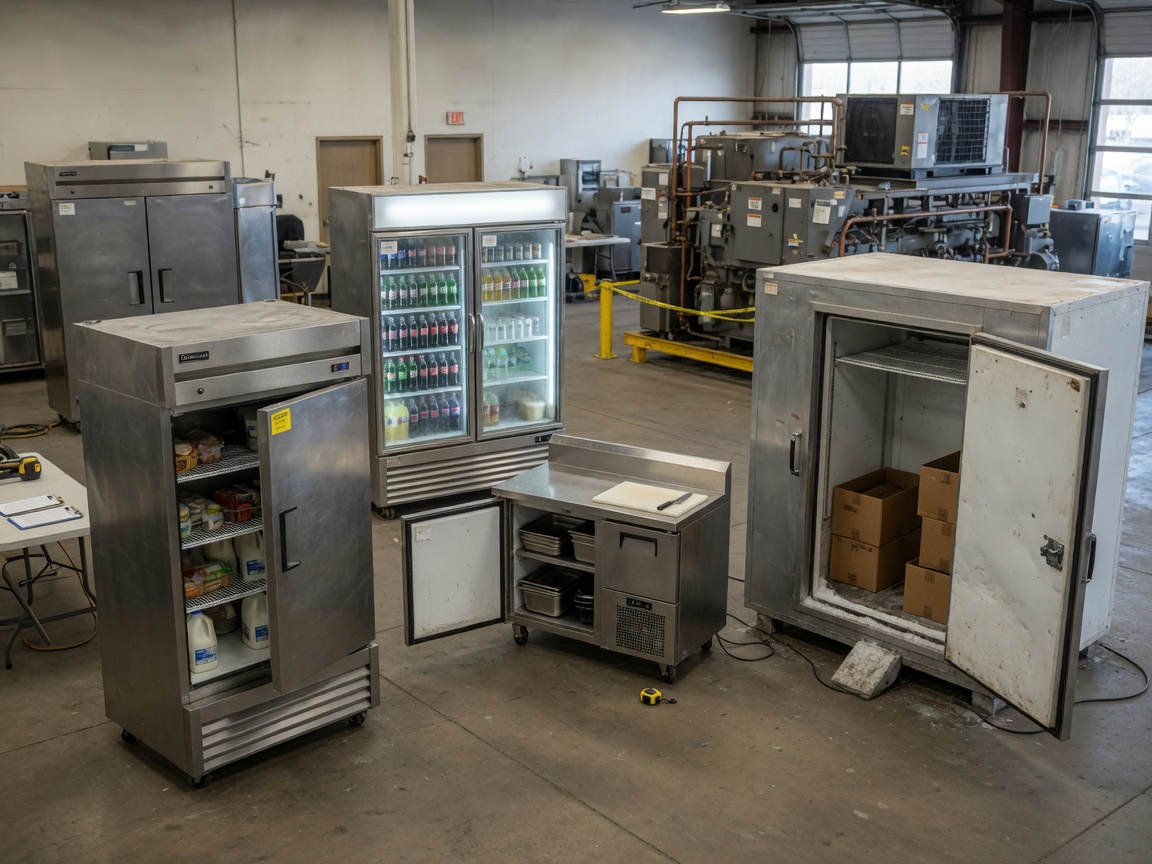
The most common chiller freezer format in U.S. foodservice — an upright refrigerated cabinet with chilling on top and freezing below (or split side-by-side). Brands like True Manufacturing, Turbo Air, and Beverage-Air dominate this segment. Capacities typically range from 40 to 72 cubic feet. This is the default recommendation for restaurants, delis, and convenience stores with moderate throughput. They're Energy Star compliant in most current configurations and integrate well with standard 115V or 208/230V commercial kitchen circuits.
2. Undercounter Chiller Freezer (Drawer-Style)
An undercounter chiller with an integrated freezer drawer is the right call when back-of-house space is tight. These units typically offer 10–20 cubic feet of total capacity and are designed to fit under a 36-inch prep counter. Real-world kitchen workflow benefits are substantial: prep staff access refrigerated proteins and frozen components without walking to a reach-in across the kitchen. The trade-off is capacity — these are supplemental cold storage units, not primary storage solutions for high-volume operations.
3. Walk-In Cooler / Freezer Combination
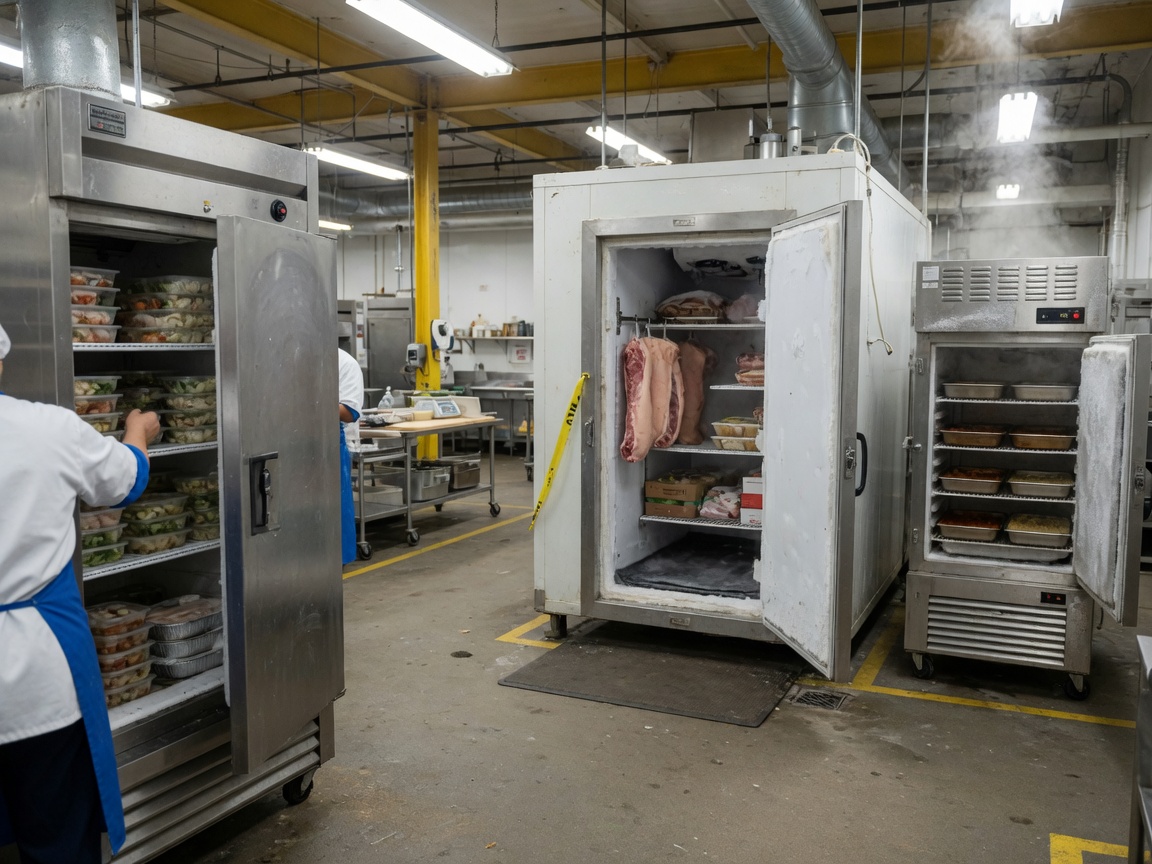
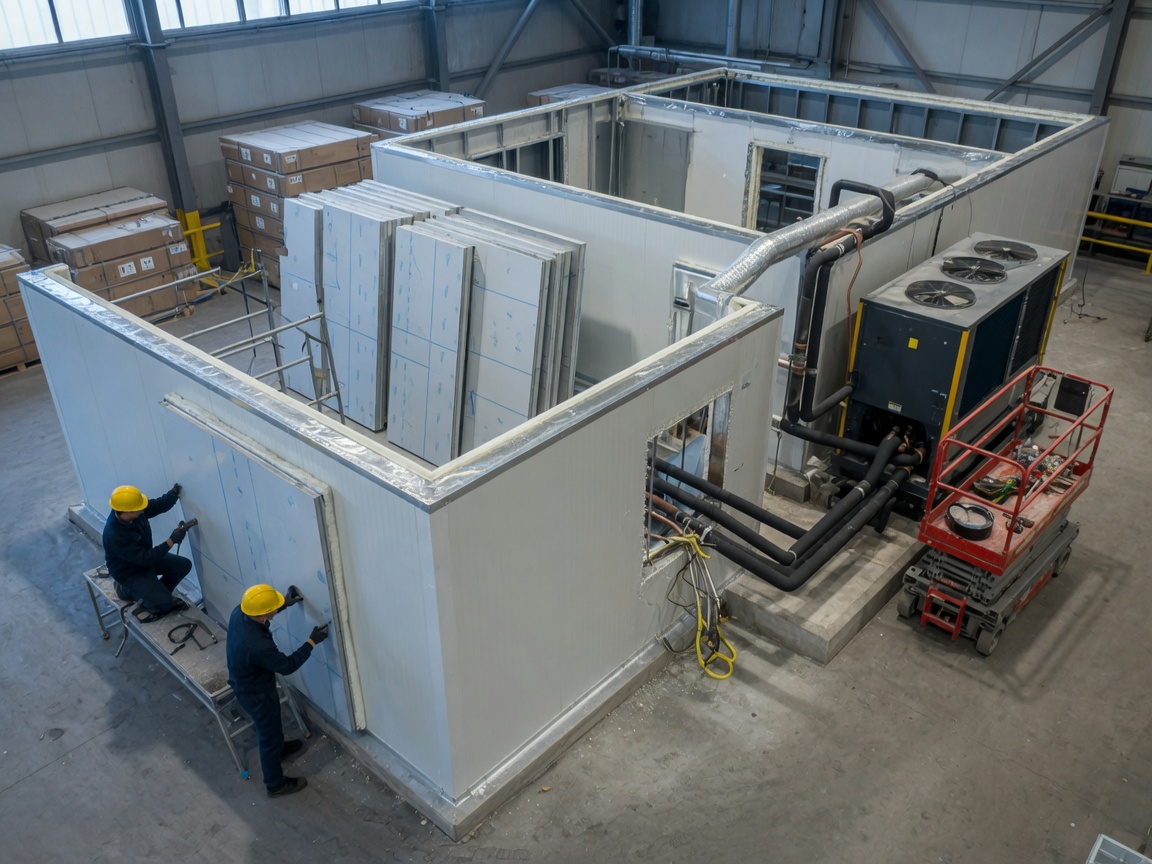
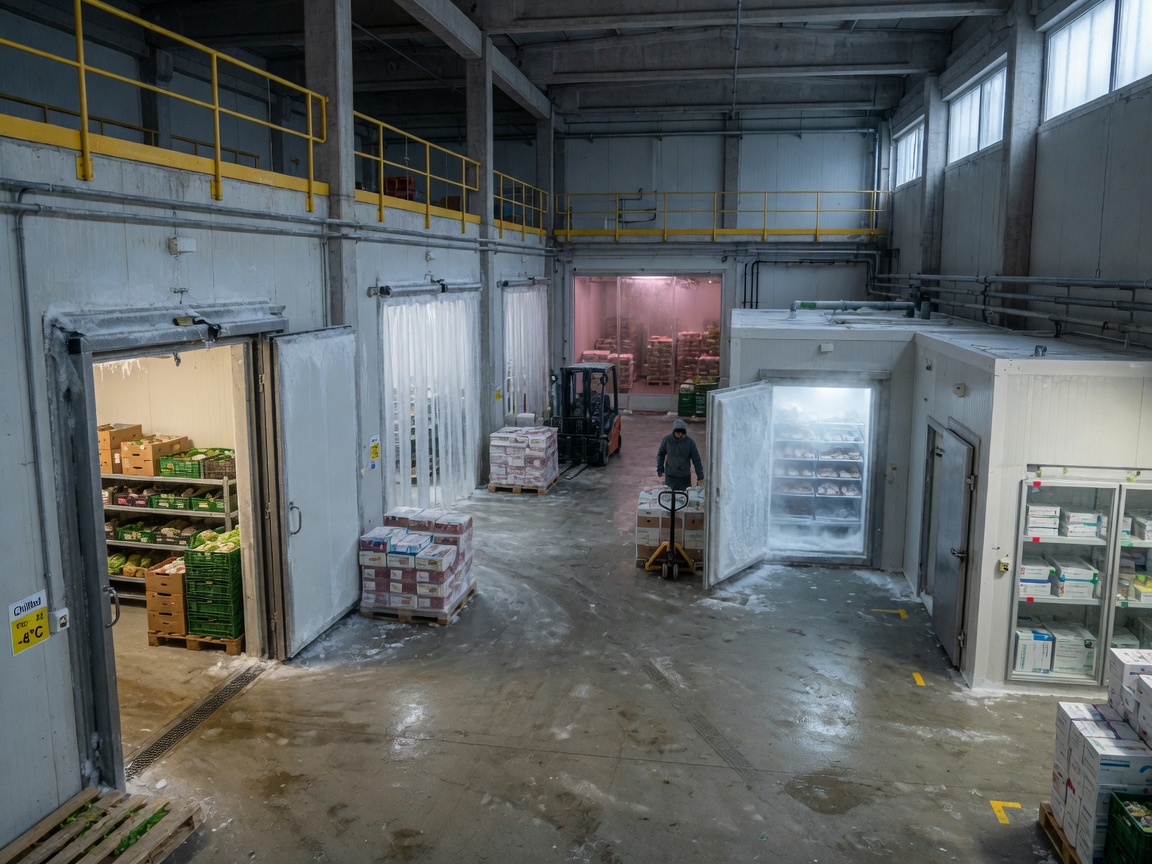
For operations processing 500+ pounds of food product daily, a walk-in cooler with an adjacent or integrated walk-in freezer section is the industrial refrigerator equivalent of the chiller freezer concept. These modular cold storage units are common in hotel kitchens, central production facilities, and large-scale food distribution centers. Construction typically involves foam-insulated panels rated at R-32 or higher, with remote condensing units mounted on the roof or exterior wall to reduce kitchen heat load.
4. Blast Chiller / Freezer (Shock Freezing)
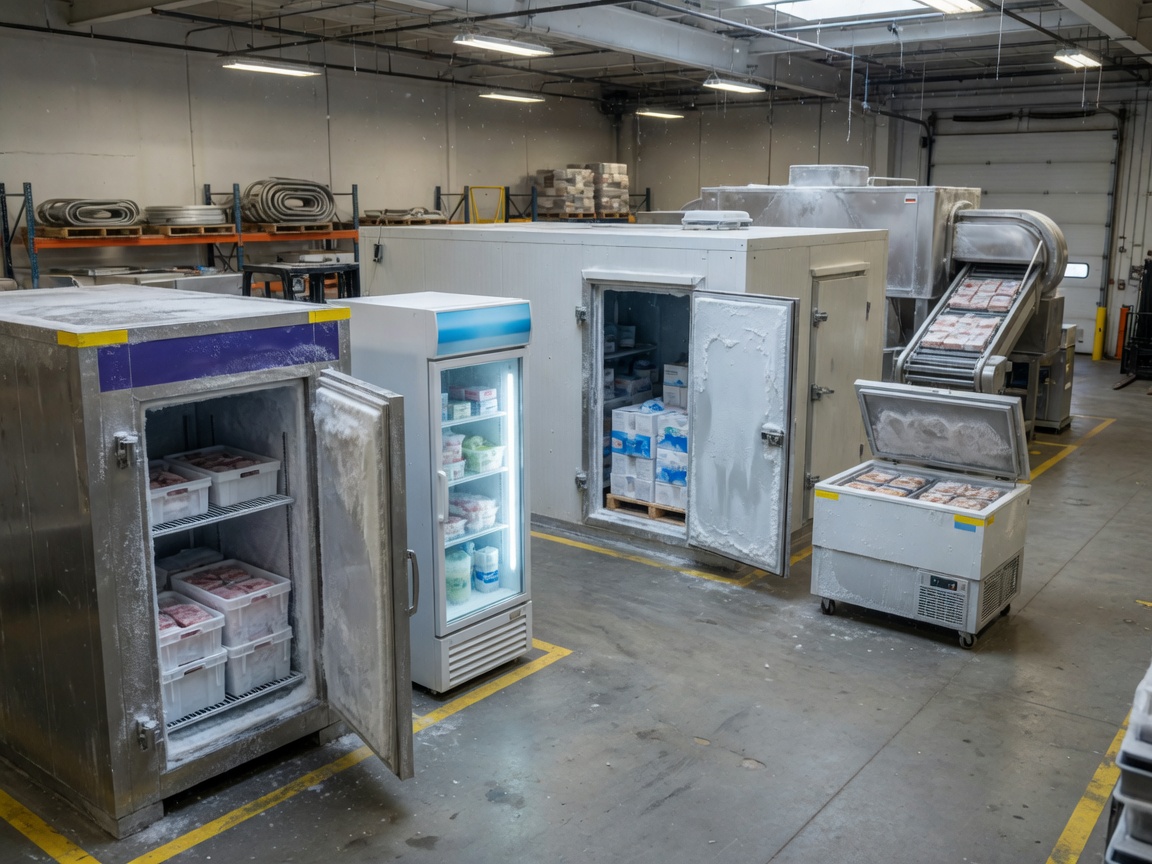
A blast chiller is categorically different from a standard chiller freezer — it is a rapid temperature reduction device, not a storage unit. It drives food from 140°F to 37°F in under 90 minutes (soft chill mode) or to -18°F in under 4 hours (hard freeze mode). Relevant research on chiller freezer technology and efficiency consistently shows that blast freezing preserves cellular integrity far better than slow freezing, reducing moisture loss by up to 15% in proteins. Central kitchens and cook-chill operations are the primary users. Think of a blast chiller as a sprint athlete — extraordinary at one specific task, not built for the long-distance pace of daily storage.
5. Chest Freezer with Chiller Overlay
Less common in professional settings but worth noting: a chest freezer with an upper chilled compartment is used primarily in retail display environments — ice cream shops, seafood markets, and specialty frozen food retailers. The horizontal layout offers excellent cold air retention (cold air sinks, so chest configurations maintain temperature more efficiently during open-lid events), but ergonomics suffer in high-traffic service environments.

Spec Comparison: How to Evaluate Models Side by Side
When comparing chiller freezer models, four specification categories matter above all others: capacity and zone ratio, energy consumption, temperature recovery time, and refrigerant type. Any procurement checklist that omits one of these is incomplete. Here's a structured approach:
- Determine your zone ratio requirement. If 70% of your stored product is chilled and 30% is frozen, a 2/3-to-1/3 cabinet split makes sense. Many buyers default to 50/50 splits without auditing actual usage — and end up with inadequate chiller capacity within 6 months.
- Review Energy Star certification and daily kWh rating. Consult energy efficiency standards for commercial chiller freezer units from the U.S. Department of Energy. A certified dual-zone unit at 72 cu ft should consume no more than 16–18 kWh/day under standard test conditions. Non-certified units at similar capacity often run 22–28 kWh/day — a $400–$700 annual difference in electricity costs at average U.S. commercial rates.
- Evaluate temperature recovery speed. After a 60-second door-open event, the freezer zone should return to setpoint within 8–12 minutes on a quality unit. Ask for pull-down test data, not just static temperature specs.
- Check the refrigerant. R-404A was the commercial standard for years, but 2026 procurement guidelines strongly favor R-290 (propane) or R-448A for new installations, aligned with EPA's AIM Act phasedown schedule.
- Assess serviceability and parts availability. A unit from a manufacturer with a national service network (True, Hoshizaki, Traulsen) offers meaningfully lower downtime risk than an import brand with no regional technician support.
"Proper refrigeration system design — including correct zone isolation, refrigerant selection, and load calculation — is the foundation of food safety compliance and long-term equipment ROI." — ASHRAE guidelines for chiller and freezer system design, ASHRAE Handbook: Refrigeration (2026 edition)
Brand & Model Spec Snapshot (2026 Market)
| Brand / Model Series | Capacity (cu ft) | Zone Split | Refrigerant | Energy Star | Est. Price (USD) |
|---|---|---|---|---|---|
| True T-49DT | 49 | 50/50 | R-290 | Yes | $4,800–$5,600 |
| Turbo Air MRF-49-2 | 49 | 60/40 | R-404A | Yes | $3,900–$4,500 |
| Hoshizaki RTC-77H | 77 | 66/34 | R-448A | Yes | $6,200–$7,100 |
| Beverage-Air WTRD119A | 119 | 50/50 | R-404A | Pending | $8,500–$10,200 |
Why Temperature Stability Beats Raw Capacity Every Time
Procurement teams often prioritize cubic footage as the headline spec. In practice, temperature stability under variable load conditions is the more operationally critical metric. According to near-term food safety research, approximately 35% of cold chain product losses trace back to temperature fluctuations in storage equipment — not to insufficient capacity. A smaller, tightly controlled temperature controlled storage unit will outperform a large but thermally inconsistent industrial refrigerator in real kitchen environments every time.
Top Use Cases by Industry
The right chiller freezer configuration is highly context-dependent. What works in a 50-seat restaurant fails in a 300-room hotel. Let's break down the primary verticals.
Quick-Service & Fast Casual Restaurants
This segment is the largest single buyer category for upright reach-in freezer chiller combo units. The operational priority is speed of access — staff need to grab proteins, dairy, and frozen components in rapid succession during peak service windows. Undercounter chiller units beneath prep stations have become standard in new QSR construction as of 2025–2026, enabling just-in-time ingredient staging without cross-kitchen movement. Energy consumption is closely monitored at the corporate level; most chains now require Energy Star certification as a baseline vendor requirement.
Retail Grocery & Convenience Stores
Convenience stores use a mix of reach-in refrigerated cabinets for beverage display and back-room chiller freezer combos for inventory staging. The key operational difference from foodservice: retail units are open-face or glass-door display formats (driving much higher energy loads due to constant thermal exchange with store air). Back-of-house cold storage units here are typically non-display, insulated reach-in or chest freezer formats focused purely on product preservation rather than customer-facing presentation.
Food Distribution & Cold Chain Logistics
At distribution scale, the concept of a chiller freezer scales up to walk-in cooler and walk-in freezer combinations — essentially adjacent rooms sharing a common insulated wall. Dock-area temperature controlled storage units are used to buffer inbound shipments before transfer to primary cold storage. In this environment, blast chiller capacity is often co-located to rapidly drop temperatures on inbound ambient-temperature product before it enters the main cold storage unit, preserving the integrity of the broader cold chain.
2026 Buying Trends & Technology Updates
The commercial cooling system market looks meaningfully different in 2026 compared to just three years ago. Two forces are reshaping purchasing decisions at scale.
Natural Refrigerants Are No Longer Optional
R-290 (propane) and CO₂-based refrigeration units have moved from niche to mainstream in U.S. commercial installations. The EPA's AIM Act HFC phasedown, now well into its execution phase, has pushed major manufacturers to transition their commercial freezer and chiller product lines away from high-GWP refrigerants like R-404A. From a buyer's perspective: a unit purchased today with R-404A faces a refrigerant cost penalty within 3–5 years as supply tightens. Specifying R-290 or R-448A units now is straightforwardly the lower total-cost-of-ownership choice. Why do so many buyers still default to R-404A? Mostly inertia from long-standing supplier relationships — a pattern worth consciously breaking.
IoT-Enabled Temperature Monitoring Is Now Standard
Remote monitoring capabilities — temperature logging, door-open alerts, compressor anomaly detection — have transitioned from premium upsell features to baseline expectations in commercial chiller freezer procurement. Most Tier-1 manufacturers now ship units with built-in Wi-Fi connectivity and cloud dashboard access. For multi-unit operators managing 20+ locations, centralized IoT monitoring of all refrigeration units generates measurable reductions in food waste and emergency service calls. 2026 data from near-term industry surveys suggests operators using IoT-monitored cold storage units report 18–24% fewer critical temperature excursion events compared to non-monitored equivalents.
Common Selection Mistakes to Avoid
Even experienced facilities managers make these errors. Recognizing them in advance is what separates a smooth equipment rollout from a costly post-installation correction.
Mistake 1: Choosing Total Capacity Over Zone Balance
A 72 cu ft chiller freezer with a 50/50 zone split sounds like a strong spec on paper. But if 80% of your product is chilled dairy and produce and only 20% is frozen protein, you've effectively paid for 36 cu ft of freezer space you'll never fill — while constantly cramming product into an undersized chiller zone. Audit your actual product mix before specifying zone ratios. Most manufacturers offer custom split configurations; it's a specification conversation worth having.
Mistake 2: Ignoring Ambient Temperature Conditions
A chiller freezer rated for Class 4 ambient conditions (up to 86°F) will struggle — and potentially fail — in a kitchen environment where ambient temperatures regularly hit 95–100°F during summer service. Always match the unit's ambient temperature rating to your actual installation environment, particularly in southern U.S. states. Units with a higher ambient rating run more robust condensers and are specified differently; they typically cost 10–15% more but avoid the compressor stress that leads to premature failure in hot environments.
Mistake 3: Treating the Chiller Zone Like Extra Freezer Space
This one causes direct food safety risk. Placing raw proteins intended for freezer storage into the chiller zone — because the freezer section is full — exposes those proteins to temperatures that allow bacterial growth. "The freezer is full, so we put it in the fridge for now" is a phrase that precedes health code violations. The solution is right-sizing total capacity at the outset, not improvising with zone cross-usage. Of course, in genuine emergency situations, FIFO product rotation to a separate commercial freezer is the compliant response — not zone misuse.
Frequently Asked Questions
Q: What is the difference between a chiller and a chiller freezer?
A: A chiller maintains temperatures between 32–46°F for fresh food storage only. A chiller freezer is a dual-zone unit that simultaneously maintains a chilling zone (32–46°F) and a freezing zone (0°F or below) within one cabinet, using independent or shared refrigeration circuits.
Q: How much does a commercial chiller freezer cost in 2026?
A: Entry-level upright chiller freezer combos (40–50 cu ft) range from $3,500–$5,500. Mid-range units (50–77 cu ft) from established brands like True or Hoshizaki run $5,500–$7,500. Large-format or walk-in configurations start at $8,500 and scale upward based on custom dimensions and refrigeration system specifications.
Q: Is a blast chiller the same as a chiller freezer?
A: No. A blast chiller is a rapid temperature reduction device used immediately after cooking to drop food temperature quickly for food safety compliance. A chiller freezer is a long-term storage unit. Blast chillers are not designed for holding product — they're built for speed, not sustained cold storage.
Q: What refrigerant should I specify for a new chiller freezer in 2026?
A: Specify R-290 (propane) or R-448A for all new commercial chiller freezer purchases. R-290 offers excellent energy efficiency and very low GWP (3 vs. R-404A's 3,922). Avoid R-404A for new installations — supply is tightening under EPA AIM Act HFC phasedown regulations, and service costs will rise significantly over the next 3–5 years.
Q: How do I prevent temperature cross-contamination between zones in a chiller freezer?
A: Choose a unit with independent compressor circuits for each zone — not shared-compressor models. Ensure door gaskets are inspected quarterly and replaced at first sign of wear. Avoid propping either door open during service. Units with magnetic self-sealing gaskets and automatic door closers significantly reduce zone thermal interference in real kitchen conditions.
Final Thoughts
Selecting the right chiller freezer in 2026 comes down to four disciplined decisions: accurate zone ratio specification, energy-efficient refrigerant choice, verified temperature stability performance, and future-proof IoT connectivity. The market offers strong options at every price point — but only if buyers know which specifications to prioritize over which marketing claims to disregard.
The commercial refrigeration industry is in a genuine transition period. Natural refrigerants, smart monitoring, and tighter energy efficiency standards are not emerging trends — they're the current baseline for quality procurement in 2026. Operators who anchor their chiller freezer selection to these fundamentals will see measurably better equipment ROI, lower food waste, and fewer compliance headaches over a standard 7–10 year equipment lifecycle.
Use the comparison table, the spec checklist, and the use-case breakdowns in this guide as active decision tools — not background reading. The right chiller freezer for your operation exists; the job is simply to specify it precisely enough to find it.
Keywords:
Inquiry
If you are interested in our products, please leave your email to receive a free product quote, thank you!
More information

Tel:
Sales E-mail: